
The first time I photographed a wedding outside Mexico was in Santa Cruz de la Sierra, Bolivia. I remember arriving with one real question in mind: does documentary work translate the same way in another country, with a different culture, a different celebration rhythm? The answer, after that wedding and the ones that followed in France, Belgium, and Colombia, is yes — but with nuances worth sharing.
What doesn't change: emotion is universal
In Bolivia I understood something that was later confirmed at every destination wedding: people celebrate differently in every country, but the honesty of a real moment looks the same in any language. Pame and Saúl's wedding in Santa Cruz had a very particular emotional density — whole families fully given over to the celebration, with nothing to direct because they were already living the moment completely. I didn't have to teach or provoke that. I just had to be there, attentive, camera ready.
The same thing happened in Europe. A wedding in the French countryside and another in Belgium carry a different energy than a wedding in Guadalajara — the pace is slower, celebrations unfold differently through the day — but the moment two people look at each other right before saying "I do" is exactly the same human gesture on any continent.
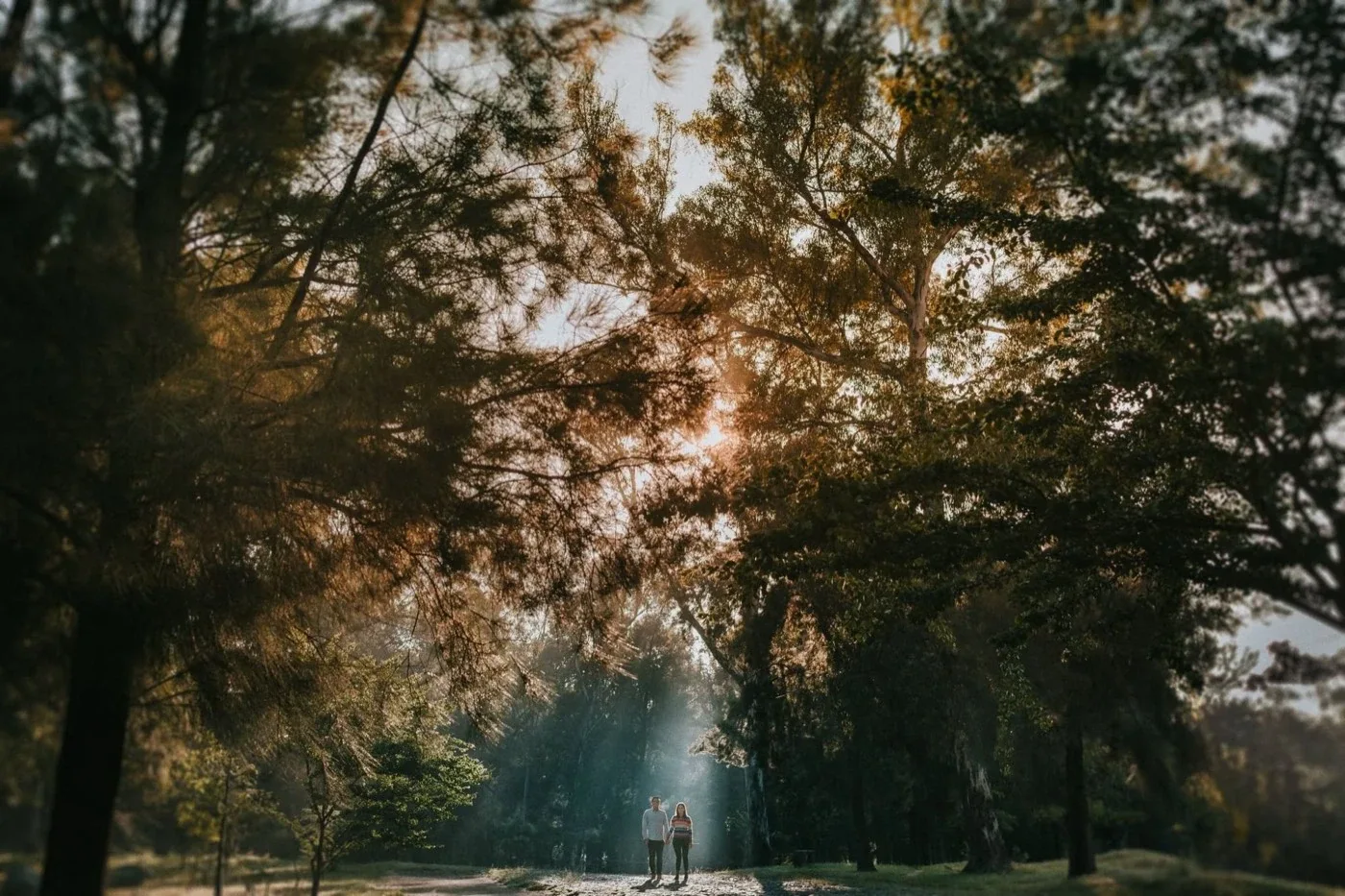
Bolivia, France, Belgium, and Colombia: four different ways of celebrating
Every country puts its own stamp on a wedding, and part of my job is understanding that stamp before I show up with a camera.
Bolivia
In Santa Cruz de la Sierra, the tropical heat and humidity change everything: midday light is harsh, so the ceremony has to be planned around shade and the golden hours of morning or afternoon. The Bolivian celebrations I've documented tend to run all day, with extended family present from getting-ready through the party — there's plenty of time for things to happen for real, without rushing.
France
The French countryside weddings I've worked tend to happen on properties with gardens or vineyards, with a brief civil ceremony followed by a meal that stretches on for hours — in true French style, the celebration doesn't rush. Summer light there stays high late into the evening, which gives a lot more room to plan around golden hour than in Mexico. If you are planning from France or Belgium, I keep a page in French about mariage au Mexique.
Belgium
Belgium is different: the sky is overcast most of the year, which actually helps documentary work — the diffuse light is even, with no harsh shadows to manage. What changes there is the pace: celebrations tend to be more intimate, with fewer guests than a traditional Mexican wedding.
Colombia
The Colombian weddings I've documented share something with Mexican ones: music and dancing take center stage early, and the party has no fixed end time. What changes is weather logistics — you have to be ready for sudden rain even in dry season, with a backup plan always on hand.
What does change: logistics, light, and adaptation
Documenting outside Mexico means solving for variables that, in Guadalajara, I already have automated after years of working the same kinds of venues. Every new country means learning its light from scratch: the light in Santa Cruz de la Sierra doesn't behave like summer light in the French countryside, nor like a Belgian sunset under a sky that's overcast most of the year.
Logistics planning changes too: flights, backup gear that travels well, arrival times with enough margin to adjust to the time zone and scout the venue before the event, and coordination with local planners who know the terrain better than I do. None of this gets improvised — it's prepared weeks in advance.
Why I take on destination weddings
Every wedding outside Mexico has been, in some sense, proof that the documentary approach doesn't depend on the location. It works at a hacienda in Zapopan just as well as at a French château or a garden in Belgium, because what I'm documenting is never the setting — it's the people within it.
If you're planning a destination wedding in Latin America, Europe, or anywhere else, and you're interested in a documentary approach that's already been tested across different cultures and contexts, I'd be glad to talk about dates, logistics, and travel.
The approach doesn't change with geography — you can read more about how I document a wedding without directing the scene, or see packages and pricing to plan your date.